Vietnam will host the 28th Ministerial Conference of the Greater Mekong Subregion (GMS) Economic Cooperation Program (MC-28) from November 30 to December 3, 2026 in Hanoi.
The conference will conduct the mid-term review of GMS Strategy 2030, agree on cooperation directions and investment priorities for the next phase, and promote resource mobilization and cooperation efficiency among six member economies: Cambodia, China, Laos, Myanmar, Thailand, and Vietnam.
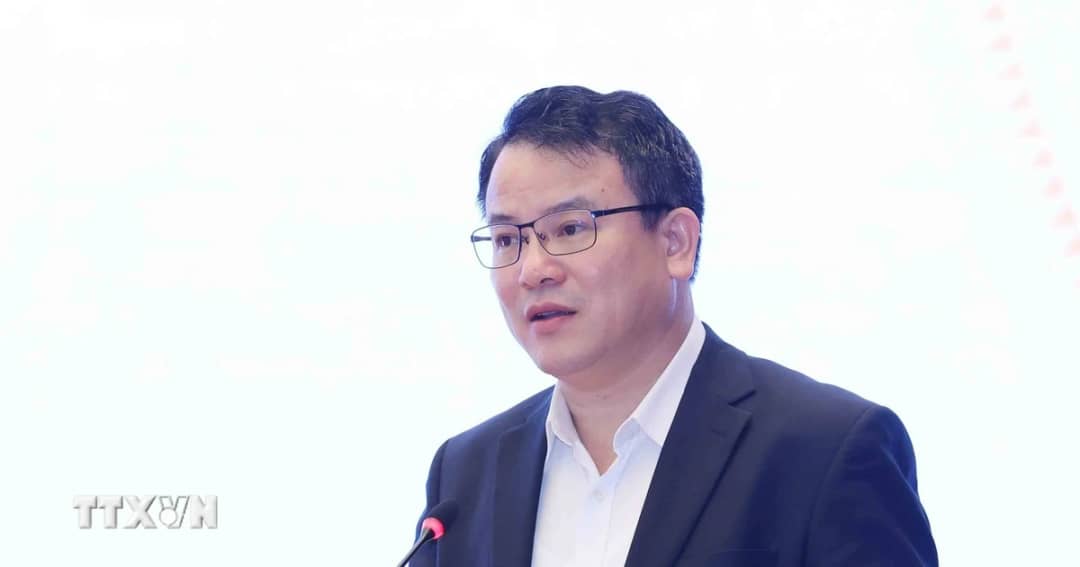
Deputy Minister of Finance Trần Quốc Phương said Vietnam chose the theme “GMS in the Era of Innovation and Digitalization: Promoting through Multilateral Cooperation” because digital technology and artificial intelligence are changing production methods and investment attraction. If GMS countries fail to adapt, the advantage of cheap labor will be lost and development gaps may widen.
Three main issue groups will be discussed:
- Mid-term review of GMS Strategy 2030: the three pillars of Community, Connectivity, and Competitiveness remain valid, but implementation methods need adjustment. Vietnam proposes focusing on digitalizing border procedures and digital trade, enhancing regional resilience to climate risks, and supporting GMS economies to participate more deeply in value chains.
- GMS Regional Investment Framework (RIF) 2027-2029: select projects more carefully, prioritizing those with regional spillover benefits, economic efficiency, job creation, narrowing the digital divide, and expanding opportunities for women and youth.
- New approaches to resource mobilization: better utilize domestic resources (public and private sectors), with development partner capital acting as “seed money” to attract additional investment.
“We want GMS, alongside ‘infrastructure connectivity’, to focus more on ‘opportunity connectivity’ for people and businesses, especially in connection with the Government and local authorities.”
The conference is also expected to adopt a Joint Statement and hold a Ministerial Retreat on strategic issues of the Program.