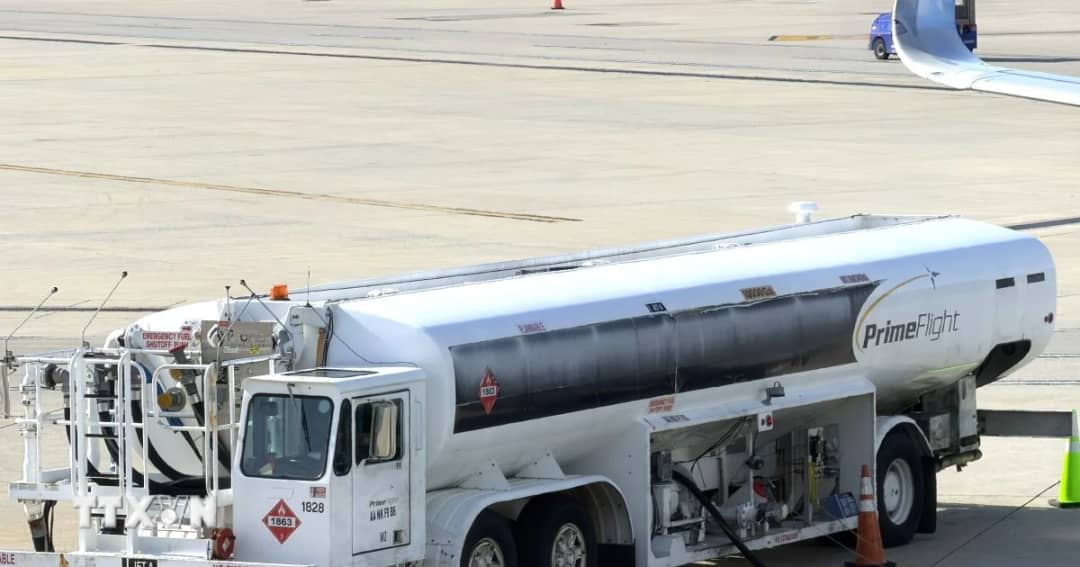
Russia's government on 27/11 decided to extend its export ban on most jet fuel products by four months, through end-March 2027. The measure aims to secure domestic supply amid continuous attacks on the country's refineries.
According to an official announcement on Telegram, the restriction, in force since June 2026 and originally due to expire end-November, will be extended through 31/3/2027. The ban does not apply to jet fuel exports under intergovernmental agreements.
The move reflects growing pressure on Russia's fuel production sector after Ukraine renewed large-scale strikes targeting refinery facilities from late October 2026 to cut energy export revenue. According to research firm Rystad Energy, near-daily attacks recently pushed Russia's crude refining capacity to its lowest level in over two decades.
Internationally, Russia is no longer a major jet fuel supplier. Bloomberg data compiled from maritime data firm Vortexa Ltd. shows Russia's 2025 jet fuel exports averaged about 30,000 barrels per day, equivalent to less than 2% of global supply.
Separately, Russia began importing gasoline and lowered fuel emission standards to Euro-2, Euro-3 and Euro-4 to maximize output, boost supply and stabilize the market.