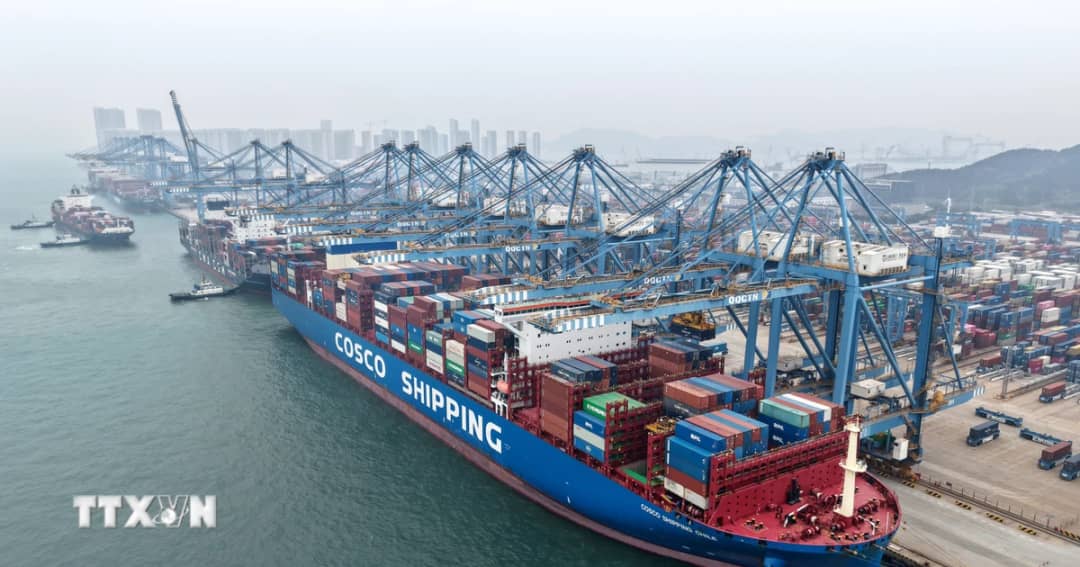
China's Ministry of Commerce on November 26 declared firm opposition to the latest US tariff increase proposals, stemming from Section 301 investigations.
On November 25, the US Trade Representative (USTR) announced results of its investigation into alleged excess capacity and production in manufacturing sectors. Based on this, USTR proposed additional tariffs on imports from 14 economies, including China, the European Union, and Japan.
USTR said it may consider applying tariff rates of up to 40% on all Chinese goods if current negotiations with Beijing fail to satisfactorily address the issues raised in the investigations.
Section 301 investigations by the US are typical unilateralist actions, seriously disrupting international economic order and violating WTO rules.
The US National Foreign Trade Council warned that continued reliance on tariffs will impose long-term costs on US businesses and consumers without offering hope of fundamentally solving "excess production capacity." The American Soybean Association also warned tariff proposals could put agricultural trade worth billions of dollars at risk of retaliation.
Both sides remain in close contact regarding extension of the Kuala Lumpur agreement. The agreement has been extended to January 10, 2027.