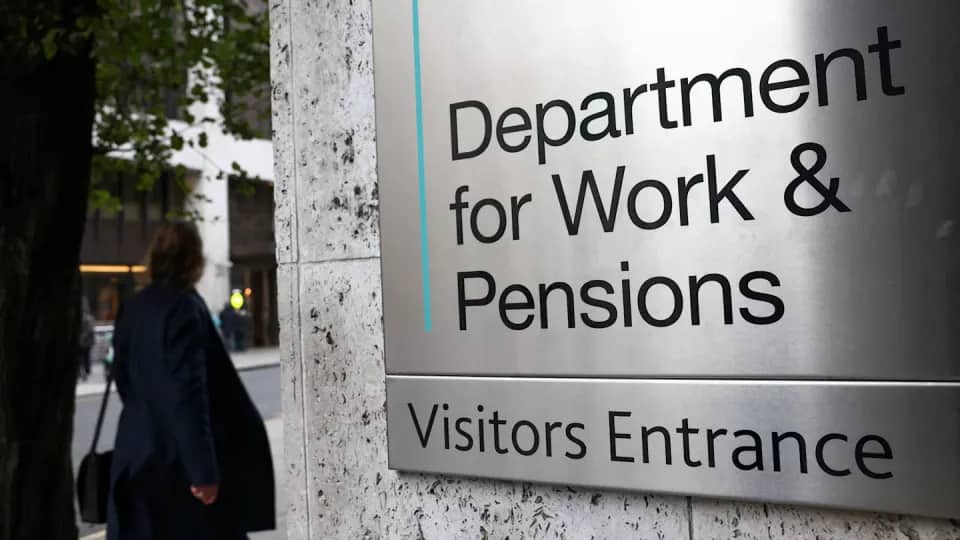
The UK government on 27/11 was forced to take much of its social welfare system offline after the latest cybersecurity incident, affecting the Department for Work and Pensions (DWP), which manages the country's social welfare system worth 330 billion GBP.
The incident follows a series of incidents at other organizations during the week, including the US Treasury, the Central Intelligence Agency (CIA), and FIFA. The Financial Crimes Enforcement Network (FinCEN) under the US Treasury previously suspended some services after a suspected cyberattack, while hackers infiltrated FIFA's systems and stole personal and business information.
The ability of AI models to detect software vulnerabilities significantly faster than humans is driving a new race between attackers and defenders. Rapid advances in AI in solving complex mathematical problems also concern computer scientists that the technology could reverse computation processes, breaking the encryption and security mechanisms that underpin modern cybersecurity.
"Witnessing a series of incidents occurring in succession over a short period of time will surely raise questions about the cause, as well as the sustainability of the systems supporting our daily activities", said Rafe Pilling, senior director at cybersecurity firm Sophos.
It is still unclear whether all the incidents originated from cyberattacks. Some system outages this month at Microsoft and the US Federal Aviation Administration (FAA) actually stemmed from these organizations deploying software patches. Those incidents respectively prevented users from accessing email and forced thousands of flights to suspend operations.
Nevertheless, the momentum driving organizations to urgently update and strengthen systems still stems from growing concerns that cybercriminals and state-backed hacker groups are leveraging AI tools to significantly increase attack capabilities. So far, there is very little evidence that ordinary hackers use AI to exploit complex security vulnerabilities. According to cybersecurity researchers, these tools are currently mainly used to scale online phishing campaigns, where attackers try to trick users into stealing login credentials.
However, most experts predict cyberattacks will become increasingly sophisticated, and the number and frequency of attacks will continue to rise.
"In the coming year, the digital infrastructure we all rely on is likely to face much greater pressure", Pilling assessed.