Hanoi currently has 2,185 apartment buildings, of which 860 have been inspected and classified by danger level. According to the city's special monitoring report on the real estate market, 265 buildings are at dangerous level C and 6 buildings are at level D.
After decades of use, many old apartment complexes and collective housing have revealed limitations in structure, electrical systems, water supply, fire prevention and fighting, and living conditions. Along with the deterioration of buildings, design standards from decades ago also struggle to fully meet the increasingly diverse living needs of residents.
The revised Housing Law, passed by the National Assembly on 21.11.2026, takes effect on 1.7.2027, continuing to improve the legal framework for management, use, and maintenance of apartment buildings.
Through apartment owners' meetings, owners participate in deciding the selection of management and operation units, service fees, plans, and use of maintenance funds for common property. Mechanisms to supervise management boards, manage maintenance funds, and define responsibilities among parties help protect residents' rights. Board members must be owners in the building, the board has its own seal and separate account, and is authorized by residents to sign operation and maintenance contracts for common property when the meeting hands over.
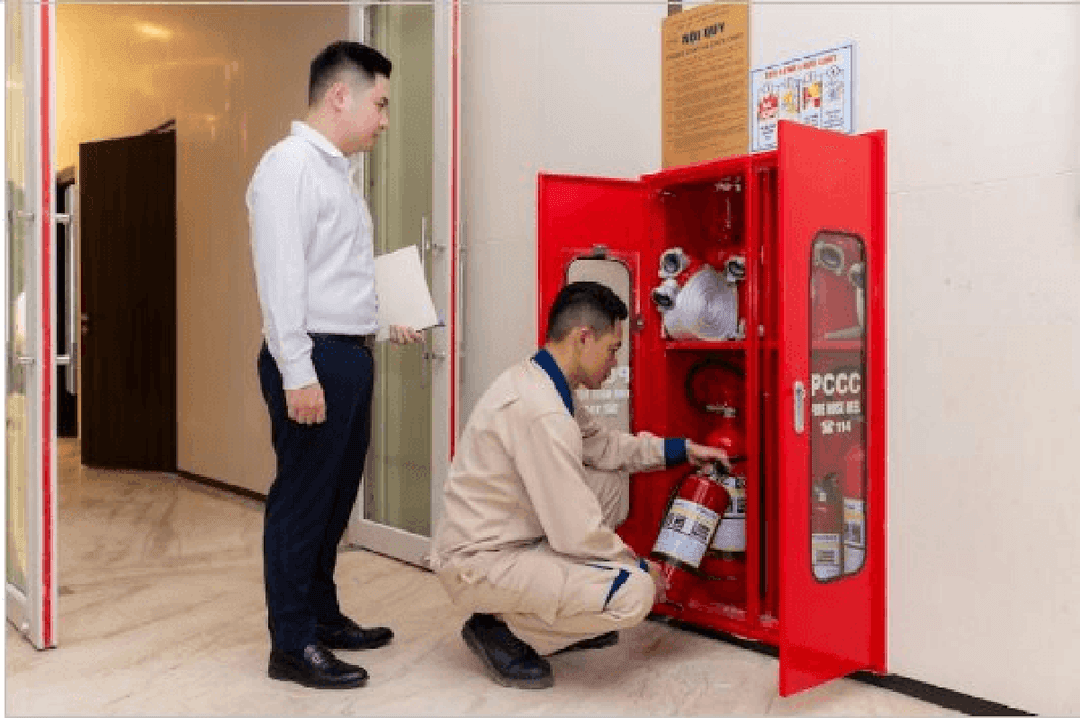
These regulations not only concern property ownership rights but also have practical significance for quality of life, because regular inspection, maintenance, and upkeep of elevators, electrical and water systems, or fire prevention and fighting equipment directly affect residents' activities and safety.
Mr. Tran Quang Trung, Business Development Director of OneHousing, divides factors determining apartment durability into two groups: hardware including planning, design, construction and software including operation, maintenance funds, and resident community. “Hardware determines the building's durability, but software truly decides how long its lifespan will last?” Mr. Trung said.
According to Mr. Trung, before paying money, buyers should ask clearly which unit will operate the building after handover, whether this unit has operated similar projects before? For project investors, good investors usually hand over title deeds on time, hand over maintenance funds fully, and maintain professional, transparent operating units.
The new law therefore not only protects apartment ownership rights. The law also gives owners tools to protect living value within their own building. The value of a home lies not only in owned area but also in the quality of life it can bring for many years.