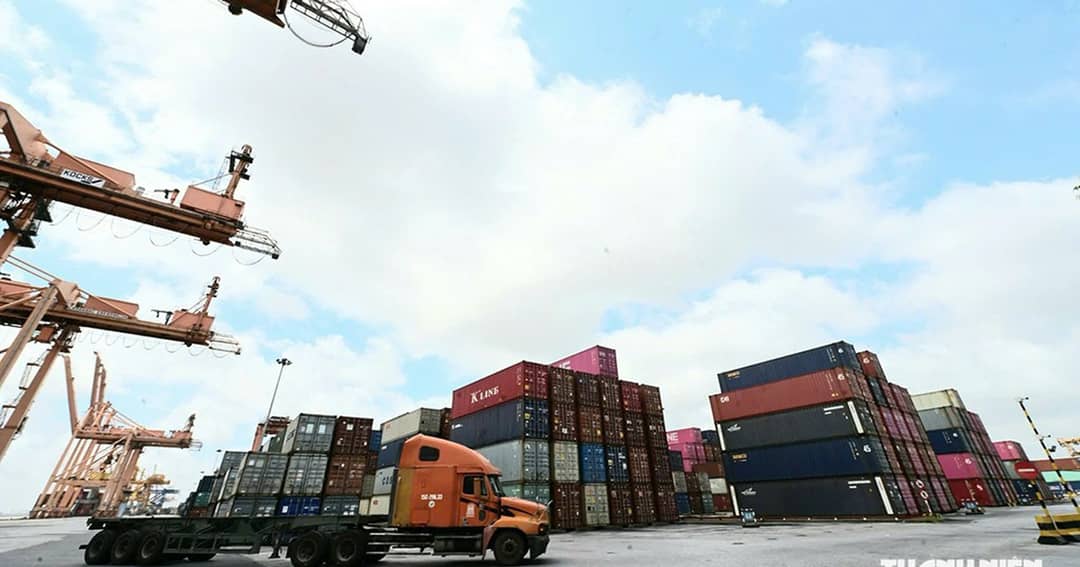
The Office of the United States Trade Representative (USTR) has issued a preliminary conclusion in its Section 301 investigation, proposing a maximum additional tariff of 35% on imports from Vietnam. This is only a proposal, not yet in effect and not officially applied.
USTR will accept comments and hold a public hearing starting 25.1.2027. The final decision is expected as early as February 2027 and no later than 11.3.2027. The final tariff rate could be lower if significant progress is made through negotiations.
Associate Professor Dr. Võ Xuân Vinh, Director of the Institute for Business Research (University of Economics Ho Chi Minh City), said the risk of tariffs on the US market is quite high, but there is still an opportunity to turn the situation around through negotiation.
Professor Dr. Nguyễn Thường Lạng said that if the US applies the proposed tariff rate, no side would benefit, and the best solution is to negotiate to find a balance.
Mr. Hồ Quốc Lực, Chairman of the Board of Directors of Sao Ta Foods Joint Stock Company (FMC), said the proposed tariff is unlikely to affect the Vietnamese market in the short term because year-end peak season orders have been completed.
According to the Ministry of Industry and Trade, the two sides have held 7 formal negotiation sessions on the reciprocal, fair and balanced trade agreement, and have basically completed nearly all contents. If the agreement is signed, the tariff rate could be adjusted down to 20%.
Previously, on 21.11, the Government issued a Resolution on the overall plan for managing trade surplus and avoiding risks in international trade activities for the period 2026-2030, identifying 7 key solution groups.
On 10.11, Deputy Minister of Agriculture and Rural Development Đặng Ngọc Điệp met with Deputy Under Secretary of the US Department of Agriculture Stephen Vaden. The US proposed that Vietnam increase annual import turnover by 1 billion USD. In the first 9 months of 2026, purchase value reached about 2.8 billion USD; by the end of October, Vietnam imported about 3.6 billion USD, not counting 1.4 billion USD of cotton.