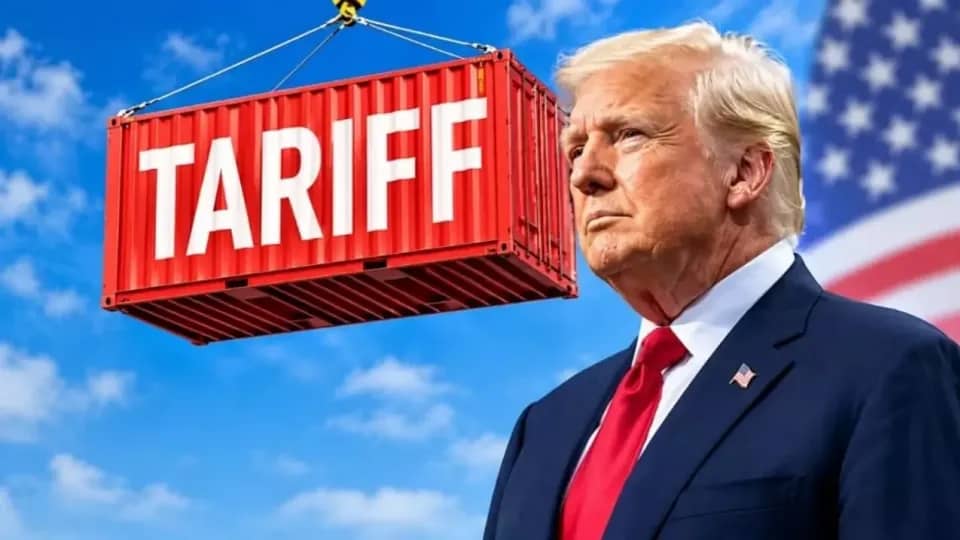
The US administration on November 25 proposed new tariffs on imports from 14 major trading partners, including China and the European Union.
China, which recorded a goods trade surplus of over 1,000 billion USD from January to October, will face the highest rate of 20%. According to US Trade Representative Jamieson Greer, the rate could rise to 40% if Beijing and Washington do not extend the trade truce, set to expire on January 10.
India will face 17% if both sides reach a deal and 25% if negotiations fail. Cambodia, Indonesia, Malaysia, Thailand, and Bangladesh are capped at a maximum of 18%. Japan, South Korea, Taiwan, the European Union, and Switzerland face a maximum of 15%.
The proposed tariff ceilings are consistent with trade agreements the US has reached over the past year. These agreements also help reduce barriers to US exports.
USTR said the new tariffs will only take effect after a public hearing scheduled for January 25.
European and Asian stock markets rose in the November 26 session. The STOXX 600 index rose 1.8%, closing at 636.98 points. Japan's Nikkei 225 rose 0.9%, South Korea's Kospi rose 0.3%. Investors assessed the impact could be more limited than expected as the new tariffs do not stack on top of those applied in July and may only take effect from February or March 2027.