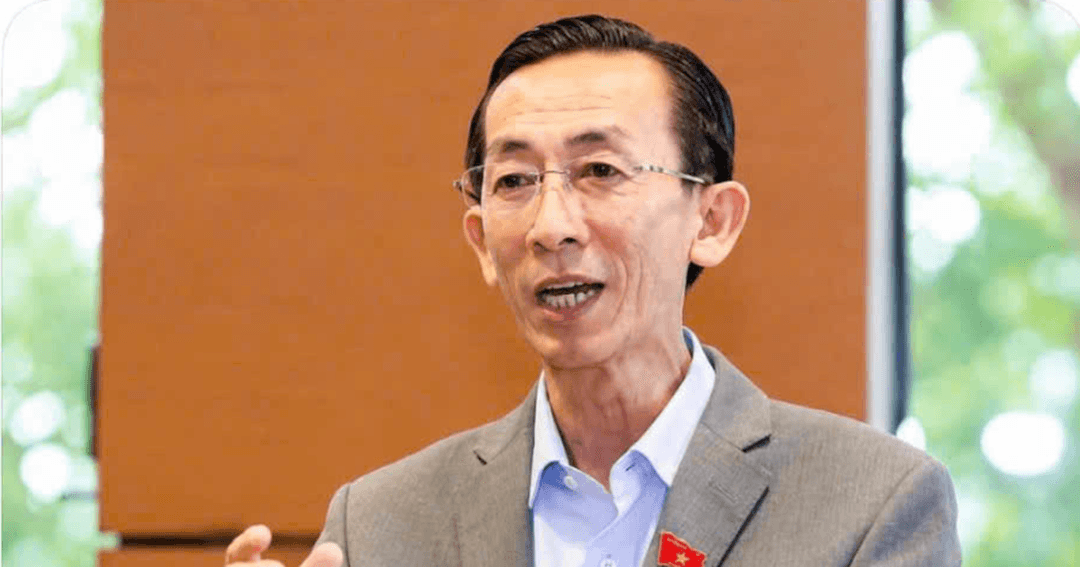
Assoc. Prof. Dr. Tran Hoang Ngan, National Assembly deputy and lecturer at University of Ho Chi Minh City, said the 2026 interim results are the most convincing evidence for the city's double-digit growth target. The city maintains its GRDP over 10% target in the five-year plan.
The city has approved the Ho Chi Minh City master plan in the new era with a 100-year vision, not just a spatial allocation map but a compass for sustainable development, aiming to improve quality of life and enter the Top 100 global cities.
The master plan defines five growth drivers:
| Region | Main activities |
|---|---|
| Center | International financial center, banking, commerce, tourism, high-quality services |
| East | Science and technology, AI, high-quality education |
| West | High-tech healthcare, education, green urban area |
| North | Large-scale production, new-generation industrial zones, high-tech industry |
| South | Seaport logistics, marine economy, energy, free trade zone |
The direct driver from Q4 to the 2026-2027 period is FDI capital returning strongly after a stagnant period. Causes include synchronized investment in transport, digital, and data infrastructure, plus institutional liberalization through the international financial center, free trade zone, and new-generation industrial zones.
Public investment and public-private partnership (PPP) projects also show clear effects, especially flood control. Policy on handling surplus public assets prioritizes reallocation to healthcare, education, and parks.
To convert special mechanisms into results, he proposes three pillars: thorough decentralization and delegation, periodic KPI performance measurement, and unlocking surplus state-owned enterprise land. The HCMC People's Council and People's Committee must coordinate closely and promptly issue resolutions implementing the Urban Development Law.