Vietnam has approved the restart of the Ninh Thuan nuclear project and is actively promoting international cooperation, marking an important turning point in energy infrastructure.
According to the plan, Ninh Thuan 1 Nuclear Power Plant, led by EVN as investor, is expected to start construction in Q1 2029 and begin commercial operation in Q4 2035. Construction is expected to be completed in about 5-6 years.
Compared with European projects, Finland's Olkiluoto 3 started construction in 2005 but took 18 years to reach commercial operation in 2023. France's Flamanville 3 was originally planned for 5 years (2007–2012) but took 17 years to connect to the grid for the first time in late 2024.
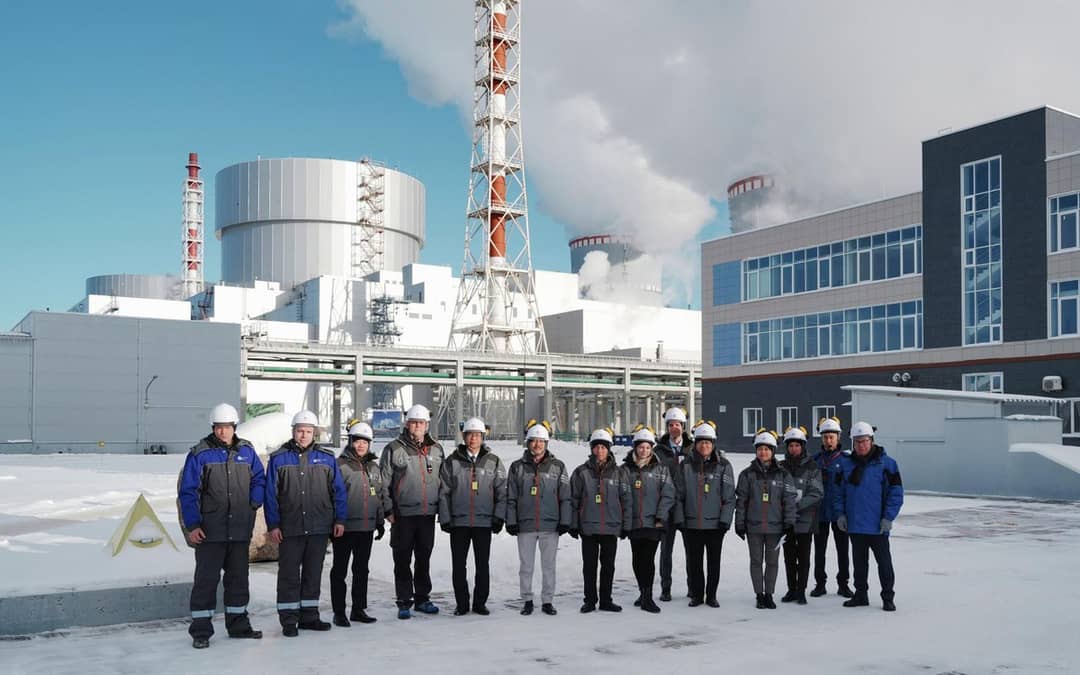
Vietnam cooperates with Russia's Rosatom, using VVER-1200 Gen III+ reactor technology and selecting Russia's Leningrad NPP-2 as the reference plant. Applying an already operating plant eliminates new design testing, cutting 2 to 3 years of technical approval procedures.
However, at the 11th Asian Nuclear Trade Forum in Hanoi (24-26/11), the Ninh Thuan Nuclear Project Management Board said construction, licensing, and operation milestones may need to be revised after investment approval and contract finalization.
Three main challenge groups:
- Legal framework and implementation conditions: legal system, decrees, circulars, regulations, and standards need to be completed to meet IAEA requirements and technology exporter country standards.
- Investment capital scale, financial model and credit agreements, with high requirements for progress, quality, and risk management.
- Workforce preparation and social consensus, especially depth of expertise in the independent nuclear safety regulatory body.
Lessons from Finland, France, and the US show that starting construction when detailed design is not 100% complete, continuous changes in safety regulations, and broken supply chains are the main causes of projects lasting nearly two decades.