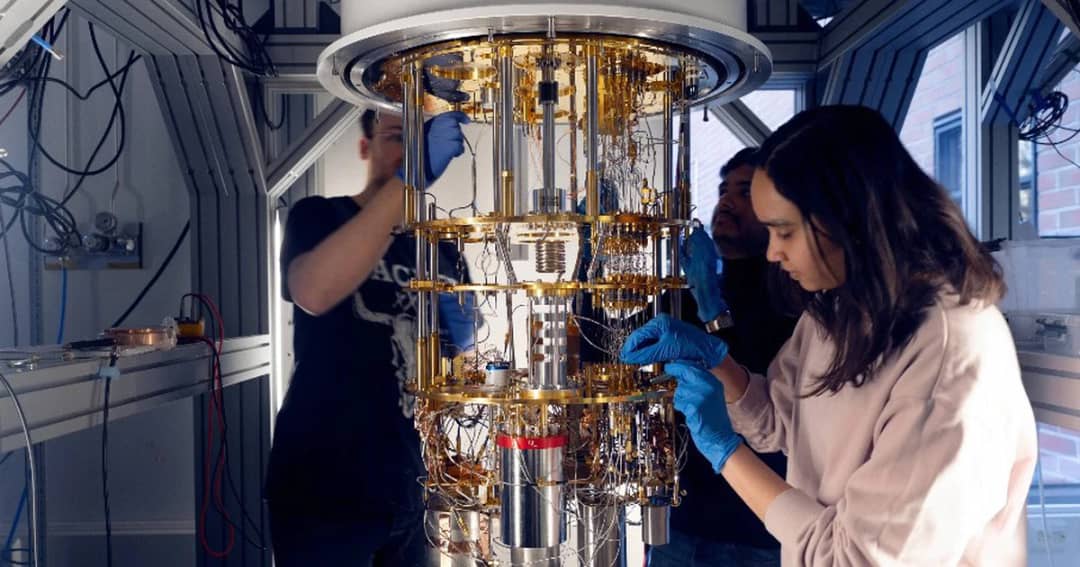
Quantum computing is expected to deliver initial breakthroughs in pharmaceuticals, materials science, logistics, and finance. According to consulting firm McKinsey, the technology could generate $1.3-2.7 trillion in global economic value by 2035.
Ms. Outi Keski-Äijö, Director of the National Quantum Technology Program at Business Finland, advises Vietnam not to race into large-scale hardware investment. Instead, the country can leverage its strengths in workforce training, quantum software development, AI integration, and quantum security.
Over the next 5-10 years, initial advances in Vietnam are likely to emerge in digital banking, digital health, and smart infrastructure — sectors with high demand for data security and simulation. In the long term, opportunities will expand to logistics, electronics, and agriculture, though deep transformation may take 10 years or more.
The technology is also creating new labor demand: physicists, software engineers, mathematicians, and AI specialists. In Finland, starting salaries for quantum engineers are about 5,000 euros per month, with an average of 7,000 euros per month. Finland currently has 18 quantum companies, 870 employees in enterprises (up 88% from 2022), and has invested 90 million euros to purchase five quantum computing systems.