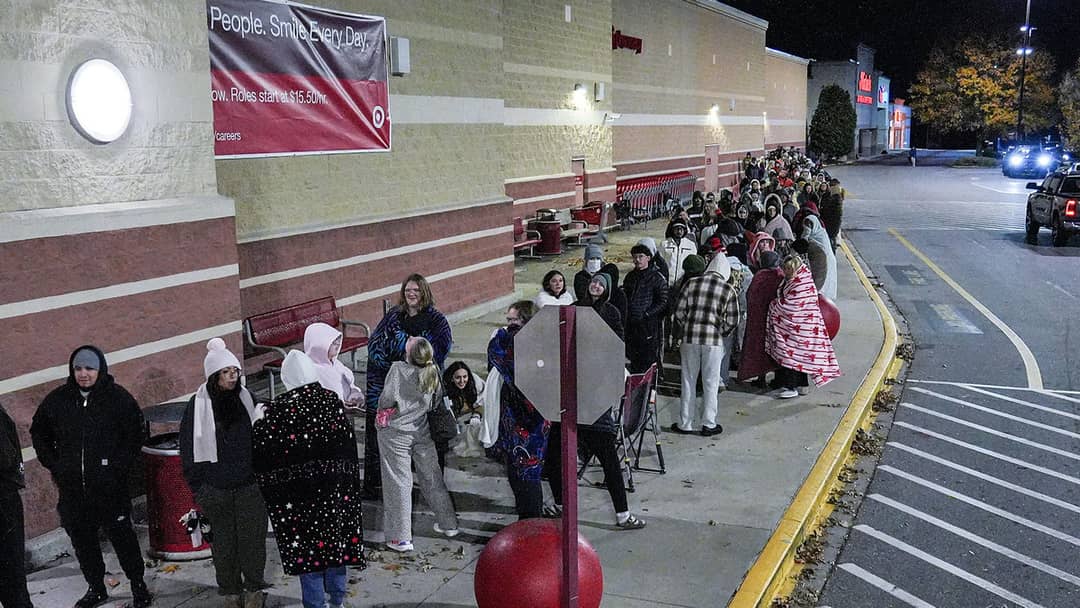
US shoppers flocked to malls and websites on November 27 but struggled to find discounts deep enough to offset inflation. Many said the deals were not as attractive as expected.
According to data firm Passby, store foot traffic on Black Friday fell 2.4% from last year. A November survey by the National Retail Federation (NFR) found 82% of consumers are trying to control holiday spending this year.
By 6:30 p.m. Black Friday, online spending rose 12.8% year over year to $9.7 billion, per Adobe Analytics. Full-day growth could exceed forecasts.
Much of this year's revenue growth is due to inflation. US inflation is now 3.8%, about one percentage point higher than last year.
NFR forecasts November-December retail sales will rise 4.2% year over year, exceeding $1 trillion. However, UBS analysts said the recent US stock market decline could weaken the wealth effect that previously drove affluent spending.
Rising input costs, especially for petroleum-based products like plastic, are pressuring some items. Toy prices rose more than 13% this year, leading Barbie maker Mattel to cut its full-year earnings forecast. Meanwhile, Best Buy and Target said greeting cards and plush toys remain popular. Lego maintained its appeal, with store visits up more than 5% from last year.