Quang Tri is innovating its approach to mobilizing foreign non-governmental aid, shifting from passive reception to proactively identifying needs and seeking suitable partners. The province is focusing resources on four priority areas for 2026-2030: addressing war consequences, human development and social security, green development and climate change adaptation, and enhancing development capacity.
In the first 10 months of 2026, the province mobilized 75 programs and projects from foreign non-governmental organizations with total committed value of 128.79 million USD, nearly reaching the target of 130 million USD set for the entire 5-year period 2026-2030. During 2020-2025, the province successfully mobilized 527 programs with total committed value of 160.55 million USD, disbursement value reached 149.09 million USD, accounting for nearly 11% of total foreign non-governmental aid disbursement of the whole country.
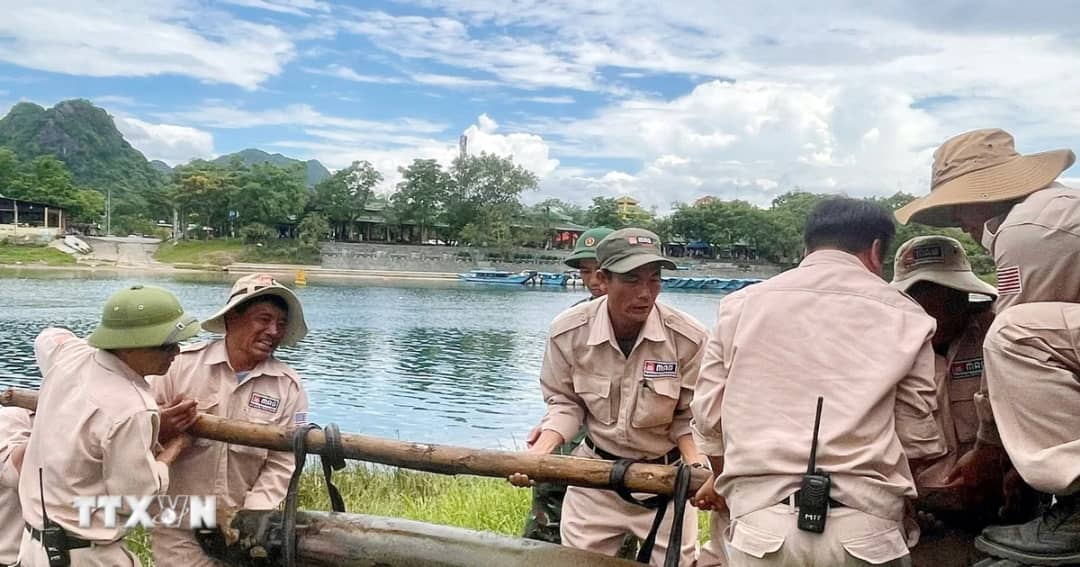
The project to survey and handle bombs, mines, and explosives in northern Quang Tri for 2026-2030, funded by MAG organization, has total capital of more than 22.4 million USD, expected to release more than 38.8 million m2 of land. This project sets a target to clear more than 42.21 million m2 of land contaminated with bombs and mines, handle 1,200 urgent bomb and mine discovery cases, and organize 1,334 bomb and mine accident prevention education activities.
Another specific project is the program to enhance climate change adaptive livelihoods, providing and managing clean water in Kim Ngan and Le Ninh communes, using funding from the Chinese Government through the LMC Fund, launching from June 2026, supporting more than 5,800 people to benefit directly.
The effectiveness of cooperation is not only evaluated by the number of projects or total funding value but also by substantial changes in community life, the ability to solve development issues, and the degree of sustaining results after investment.
Quang Tri sets a goal to become a province safe from bombs and mines by 2035. The province commits to improving the cooperation environment, ensuring transparency in mobilizing and using support resources; proactively allocating matching resources, while removing difficulties and obstacles arising during project implementation.