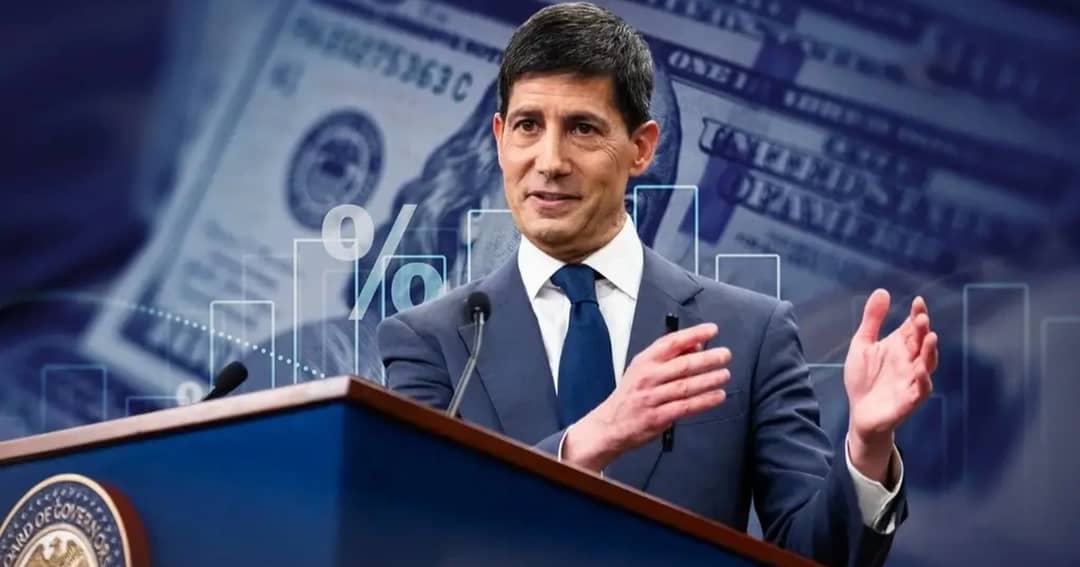
New US tariff proposals from the US administration are putting the Federal Reserve (Fed) in a difficult position. According to Yahoo Finance, the new tariffs reach up to 20% on many major US trading partners, potentially pushing the effective average tariff rate from 11.2% to above 13%.
Greg Daco, chief economist at EY, said the risk of the Fed tightening policy further is rising as inflation remains at a three-year high. Jos Brusuelas from RSM warned of pressure on import flows lasting through the end of the decade, and companies typically lock in pricing in January, which could trigger a wave of price adjustments throughout the first quarter.
Recent macro data strengthens the case for decisive Fed action. The core personal consumption expenditures (PCE) price index, the Fed's preferred inflation gauge, rose 3.3% in October, exceeding forecasts. US Q3 economic growth reached 4.3%, showing the economy has not yet cooled. The Fed's target rate is now at 3.75-4%, after an increase in September to address soaring energy costs from Middle East geopolitical tensions.
The wave of investment in AI data centers is also driving up prices for basic materials. Austan Goolsbee, President of the Chicago Fed, noted construction costs and electrical equipment are rising, adding a new layer of cost pressure.
Analysts expect the Fed to raise rates by another 0.25 percentage point at the next meeting, possibly adding another hike early next year if price pressures do not ease. Guy Miller from Zurich Insurance Group said investors should not expect the central bank to rescue markets as in previous phases.