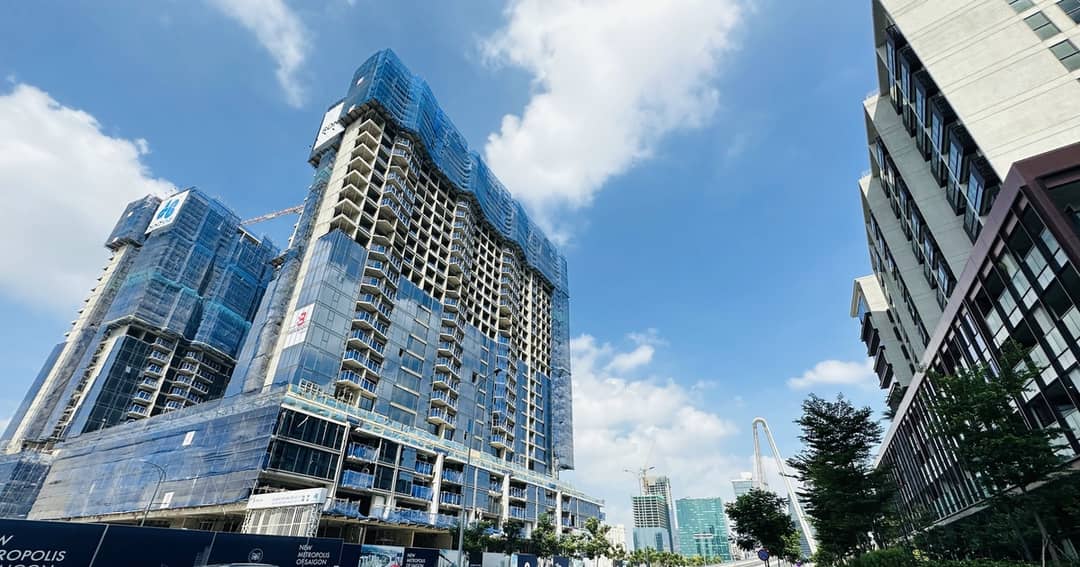
The amended Housing Law adds the right of property owners to short-term rent, alongside living and long-term rental. Using condominium apartments for rental or short-term stay must meet security and order conditions under condominium management regulations.
Short-term apartment rentals via platforms like Airbnb have long sparked debate. Owners who buy units for rental argue it is their legal property and they have the right to increase income and expand accommodation supply. Residents and management boards worry about constant visitor traffic causing noise, security risks, and disruption to shared living spaces.
Mr. Lê Hoàng Châu, Chairman of Ho Chi Minh City Real Estate Association, said the regulation clarifies legal boundaries: condominium apartments cannot be used for non-residential purposes, but rental for living or short-term stay is allowed. This supports Resolution 26 of the Politburo on developing tourism as a spearhead sector, targeting 1.5 million accommodation rooms by 2030.
He said converting hundreds of thousands of existing condominium units for accommodation can immediately meet social demand, but stable operation requires synchronized management solutions. Short-term rental hosts must pay higher monthly operating fees, strictly declare temporary and permanent residence, follow uniform condominium rules, buy fire and explosion insurance, and install fire extinguishers inside units.
Lawyer Hoàng Hà advised that decrees and circulars should design appropriate management mechanisms. Existing condominiums before the new law takes effect should consult owners on the ratio of rental units, minimum stay duration, and suitable management conditions. There should be measures to suspend short-term rental operations for serious or repeat violations of security, order, and condominium safety.