Dong Hy commune, Thai Nguyen province is forming livelihood models through policy credit, vocational training, and technology transfer.
In the first 10 months of 2026, the multidimensional poverty rate in the commune is estimated to fall to 1.58%, meeting the set plan.
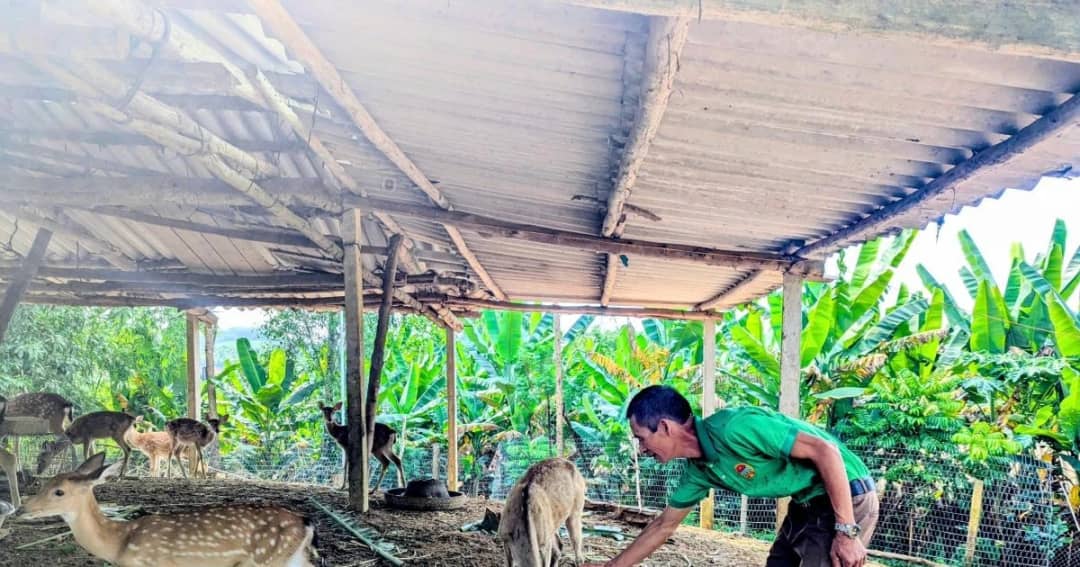
Vu Tri Long, from hamlet 18, was once a poor household. He borrowed 3 million VND to invest in livestock farming. After attending a short-term vocational training course of about 3 months on animal husbandry and veterinary, pig farming, and chicken farming, he switched to deer farming. The model now maintains dozens of deer, with revenue of about 600–700 million VND per year.
Mai Thi Van, also from hamlet 18, accessed policy credit to improve land and grow tea. After deducting costs, her family earns about 10 million VND per month from tea. She also attended a sewing class to diversify income sources.
Tan Hoang Tra Cooperative has 7 official members and 69 linked members, organizing training on tea cultivation and processing techniques. As of the first 10 months of 2026, fresh tea bud output in the commune is estimated at 14,053 tons, reaching 106.7% of the plan.
Nguyen Huu Trung, Chairman of Dong Hy Commune People's Committee, said the locality continues to screen poor and near-poor households and mobilize resources from national target programs, policy credit, and mass organizations.