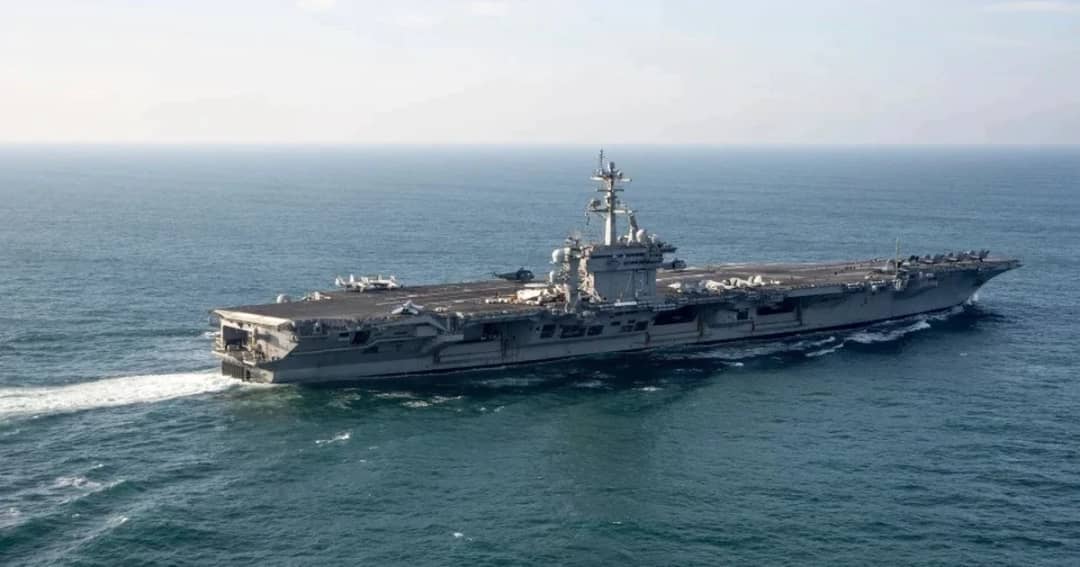
The US plans to spend over $150 billion to build seven aircraft carriers over the next 30 years. According to the Congressional Budget Office (CBO), each carrier will cost an average of $22 billion, not including aircraft operating on the carrier. This is 44% higher than the $15.3 billion forecast in the US Navy's 2025 plan, partly due to inflation.
Many experts say carrier effectiveness is being challenged. Increasingly precise missiles force carriers to operate farther from adversaries, while more carrier strike group resources are devoted to protecting the ship itself. According to Responsible Statecraft, ballistic missiles and heavy drones are eroding the advantages of these warships.
The analysis suggests the US Navy consider shifting part of the $154 billion planned for large carriers toward developing smaller, cheaper unmanned aircraft carriers that are harder to target. A French defense company has proposed a design for this type of vessel, while China is also developing unmanned aircraft carriers.
However, current law requires the US Navy to maintain at least 11 operational aircraft carriers, hindering force restructuring. President Donald Trump previously called for new carriers to revert to steam catapults instead of the more modern Electromagnetic Aircraft Launch System (EMALS), but the proposal faced congressional opposition over concerns about added billions in costs and years of delays.
"Rendering an aircraft carrier unable to launch fighter jets is tantamount to neutralizing the ship." — Responsible Statecraft