At the Vietnam Economic and Financial Forum 2026, Deputy Minister of Finance Lê Tấn Cận assessed that Vietnam's economy remains limited in labor productivity, growth quality, and resource allocation efficiency. The state must play a creative role, improve institutions, and ensure a transparent and stable investment environment.
According to Dr. Nguyễn Như Quỳnh, Director of the Institute of Strategy and Policy on Finance and Economics, Ministry of Finance, the average growth rate of 6.7% is still far from the double-digit growth target. The Incremental Capital-Output Ratio (ICOR — an indicator showing the amount of capital needed to create one unit of GDP growth) for 2021-2025 stood at 6.3, indicating significant room to improve investment efficiency.
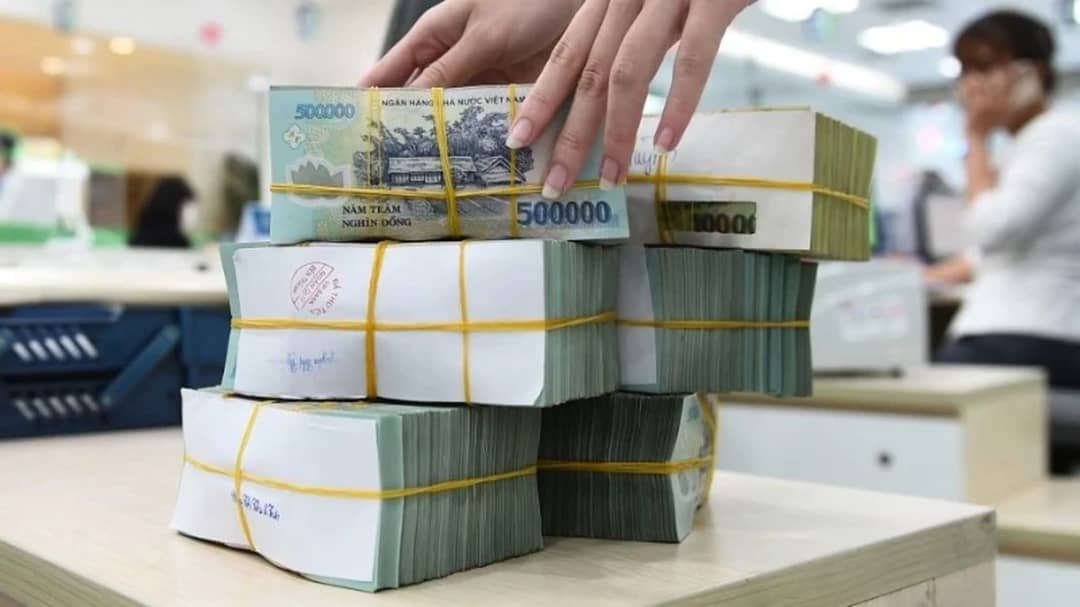
Total investment capital demand for 2026-2030 is estimated at about 38.5 trillion trillion VND. Investment scale needs to reach about 40% of GDP, with annual capital growth of around 13.5-17.5%. Vietnam needs to unlock idle public assets, delayed projects, underutilized land, idle household capital, and intellectual property.
Mr. Lê Anh Tuấn, General Director of Dragon Capital Vietnam, said public debt in 2025 is estimated at 33.4% of GDP, government debt at 31.7% of GDP, and national foreign debt at 25.6% of GDP, all below the National Assembly's limits. However, total government borrowing for 2026-2030 is about 6.5 trillion trillion VND, while the government bond market can meet only about one-third to one-half of demand. The capital shortfall for 2027-2030 is estimated at 1.65 trillion trillion VND, potentially rising to 3.15 trillion trillion VND if strategic infrastructure investment is added.
"Vietnam needs to add foreign capital, diversify borrowing currencies, and tap markets with competitive mobilization costs." — Lê Anh Tuấn, General Director of Dragon Capital Vietnam