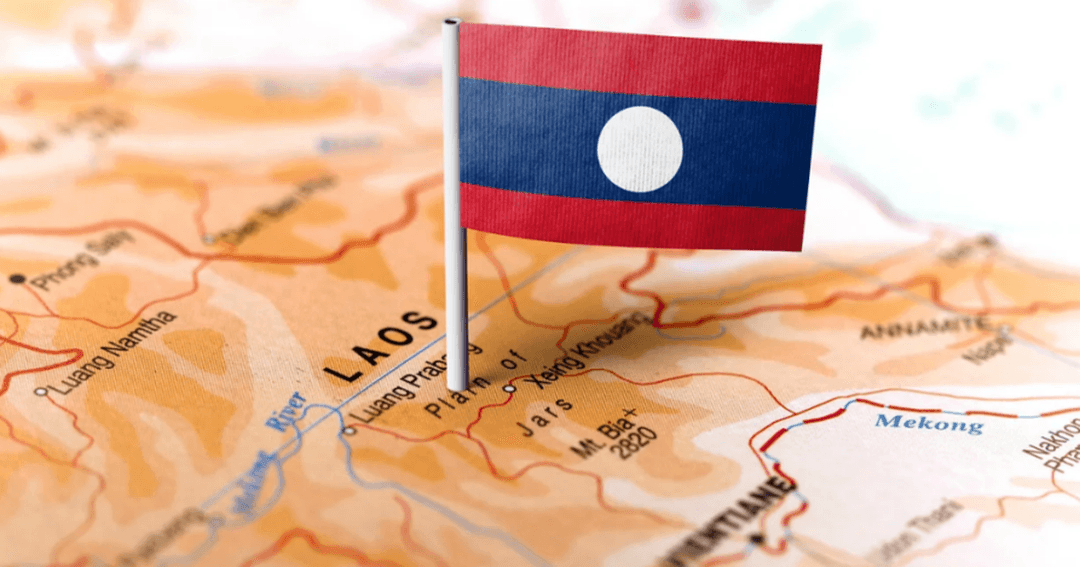
Laos officially graduated from the UN list of least developed countries (LDC) in November 2026, ending 55 years on the list established in 1971. Laos is the first Southeast Asian nation and the ninth globally to achieve this.
Since 1993, the poverty rate has fallen from 46% to 15%. The economy maintained average annual growth of 5.6% during 2015-2025. In 2025, the economy grew 4.8%, while average inflation eased to 7.7%.
Graduation means some trade, financial, and technical assistance preferences will no longer be maintained at previous favorable levels. Most changes will be implemented gradually over three to four years, lasting through end-2029. Nearly two-thirds of Laos' goods exports go to ASEAN countries and the bloc's free trade partners, expected to continue enjoying duty-free preferences. However, agricultural exports to China and garment exports to the European Union (EU) may face adjustments.
High public debt also limits the government's fiscal space. The World Bank estimates public debt and government-guaranteed debt in 2025 at about 87% of GDP.
To ensure a smooth transition, on August 6, then-Prime Minister Sonexay Siphandone directed ministries and agencies to implement 12 groups of solutions to mitigate the impact. One is a plan to meet standards for participating in an EU trade mechanism by 2029, allowing Lao businesses to export goods to Europe at tariff rates of zero or below.
The UN General Assembly is also considering a resolution calling on partner countries to maintain trade support for Laos until 2031.