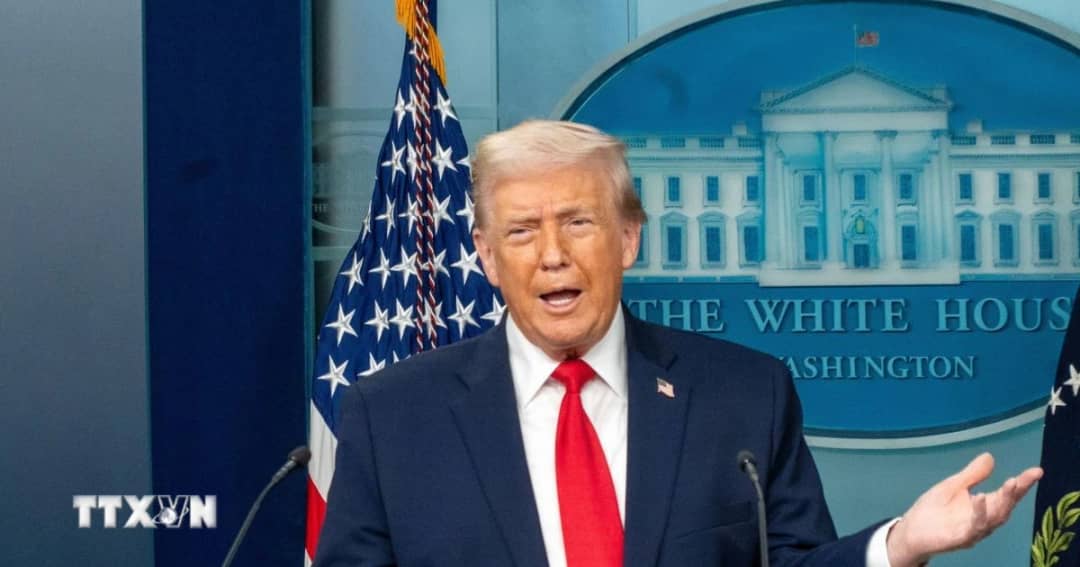
President Donald Trump continues to defend tariff import policy after the Republican Party's heavy defeat in the November 3 midterm election, and has not proposed a specific plan to address cost of living.
According to AP, about two-thirds of voters said import tariffs of the Trump administration have hurt the US economy, while only about 21% said the policy brought benefits. On November 25, the US government announced a new round of tariffs targeting 14 trading partners, including China, the European Union (EU), Japan and South Korea.
Cost of living remains a major challenge. The AP Voter Poll survey of about 100,000 voters found nearly 9/10 respondents said cost of living was an important or very important factor when deciding to vote. In this group, about 6/10 supported Democratic candidates in House races. About 76% of voters rated the US economy as “not good” or “poor”.
The Personal Consumption Expenditures (PCE) price index, an inflation measure closely watched by the Federal Reserve (Fed), rose 3.8% over 12 months through the latest reporting period. However, President Trump mainly emphasized recent gasoline price declines, rather than announcing comprehensive measures to reduce housing, healthcare and essential goods burdens for households.
Matthew Dallek, political historian at George Washington University, said previous presidents usually adjusted direction after midterm election defeats, while Trump's failure to change could deepen political difficulties for the Republican Party.
Nevertheless, signs of disagreement within the Republican Party over tariff policy have begun to emerge. According to The Straits Times on November 28, many Republican lawmakers are ready to review some tariff rates on a case-by-case basis, especially those that increase costs for businesses and consumers. Republican Senator Todd Young said there is a need to adjust the tariff structure toward predictability and limit adverse impacts on consumers.