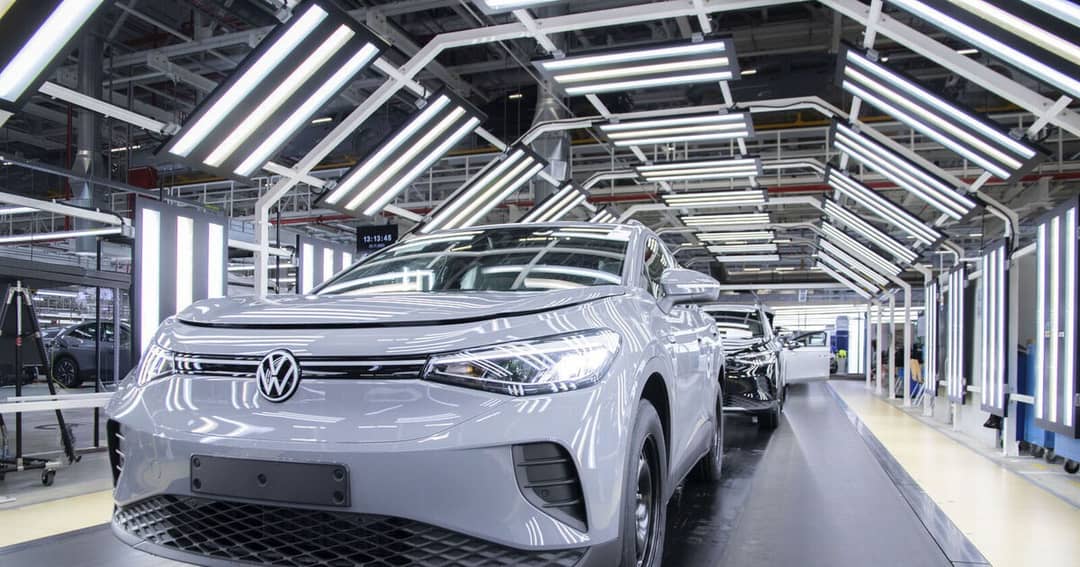
Europe's auto industry is entering its most volatile period in years. Since early 2026, major automakers from Germany, Sweden, and France have announced large-scale layoffs, investment freezes, and strong union opposition.
In Germany, Volkswagen plans to cut up to 100,000 jobs globally, a sharp increase from the 35,000 job cut agreement at the end of 2024. Four plants in Germany are at risk of closure early next decade. Management proposed a two-year wage freeze for 2027-2028, benefit cuts, and requiring staff to work beyond the standard 35 hours per week without extra pay. Union IG Metall warned of large-scale strikes starting January 1, 2027.
Mercedes-Benz suspended all investment in passenger car production at its home base in Germany and hinted at closing 2 plants. The company said labor costs in Germany can be five times higher than in Eastern Europe, and is shifting production volume to Kecskemet, Hungary, while asking German workers to increase hours to 40 per week with unchanged pay.
BMW is cutting 8,000 staff from now through end-2027, offering voluntary redundancy packages of up to over 650,000 euros (about 730,000 USD), plus bonuses for those leaving before March 31, 2027. The goal is to save 1 billion euros per year from 2028.
In late October 2026, Volvo Cars announced an additional 2,500 job cuts (2,000 in Sweden, 500 globally), equal to 6% of its workforce, to be completed by mid-2027. The company reported an operating loss of 3.7 billion krona (373 million USD) in Q3 2026, versus a profit of 5.8 billion krona in the same period last year, with its shares plunging 24% to a record low.
In France, Renault plans to cut up to 1,000 office positions through voluntary redundancy, while hiring 2,000 workers for its electric vehicle plants in France by 2028.
A key driver is weakening demand in China, once a "gold mine" for European automakers. In Q3 2026, Mercedes passenger car sales in China fell 31%, while Volvo's revenue there evaporated by nearly 50%. At the Paris Motor Show in October 2026, up to one-third of exhibits were Chinese brands with electric and hybrid models targeting traditional automakers' market share.
Volkswagen's operating margin this year is expected to be at most 1%, down from 5.9% in 2024; Mercedes-Benz fell to 2-3%; BMW is struggling to raise from the current 3% to 5% by 2028.
High energy, raw material, and especially domestic labor costs are eroding the competitiveness of Western Europe's long-standing production model. Streamlining, benefit cuts, and relocating plants to lower-cost regions are becoming necessary options, despite the risk of severe labor conflicts.