World oil prices edged lower in the November 27 session, after rising strongly in previous sessions. However, for the whole week, Brent recorded its first weekly gain in November 2026, ending three consecutive weekly declines.
At the close on November 27, Brent futures fell 1.13 USD, or 1.2%, to 95.44 USD per barrel. Earlier, prices rose to their highest level since November 9 but still did not break the 100 USD per barrel threshold. WTI crude fell 0.60 USD, or 0.7%, to 83.08 USD per barrel. As the US market was closed for Thanksgiving on November 26, the 0.7% decline is measured against the November 25 close.
For the week, Brent rose about 3%, marking the first weekly gain in November after three consecutive weekly declines. WTI fell 0.9% for the week.
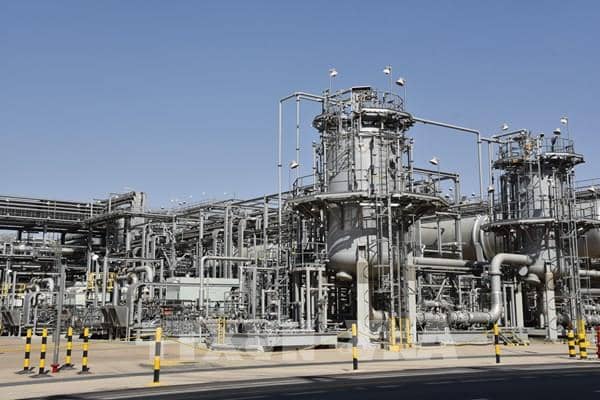
According to Mark Schaefer, Director of brokerage Liquidity Energy, attacks on energy facilities and oil tankers in the Middle East have brought supply disruption risks back to the top of market concerns. On November 27, Saudi Arabia's Energy Ministry said Saudi Aramco's Jazan refinery had to partially suspend operations after being attacked a day earlier, killing one worker.
Downward pressure in this session mainly came from increasingly clear signs of oversupply. Supply from the Middle East increased, while Libya's Sharara pipeline resumed operations, allowing crude to flow into storage tanks at the Akakus facility in Zawiya.
JPMorgan forecast oil futures could fall to near 80 USD per barrel in the first half of 2027 due to supply exceeding demand. The bank said Middle East output, excluding Iran, will rise next year, along with additional supply from the Americas, led by the US.
Markets are closely watching the OPEC+ meeting scheduled for November 29 (local time). According to sources, the group is likely to keep production targets unchanged for the first quarter of 2027.