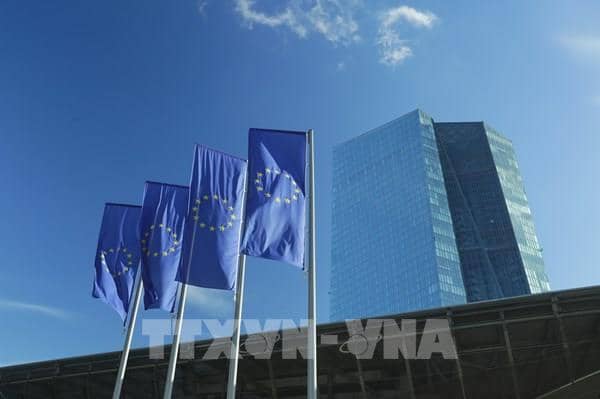
ECB released the minutes of its monetary policy meeting on 28–29 October 2026, showing the central bank faces a dilemma between rising inflation from energy prices and weak growth prospects.
Eurozone inflation rose to 3.8% in September, from 3.2% in August. Energy inflation surged to 18.9%. ECB warned that a prolonged energy shock would not only raise inflation but also curb growth, while higher financing costs add pressure on investment and consumption.
At the 29 October meeting, ECB decided to keep key rates unchanged: deposit facility rate at 2.5% and refinancing rate at 2.65%. The goal is to stabilize inflation at 2% in the medium term. Future decisions will depend on economic data, assessed meeting by meeting, with no preset rate path.
ECB noted financial conditions have tightened since the September meeting. Mortgage demand fell significantly in Q3, although bank lending standards remained unchanged.
ECB is managing two opposing risks: inflation may rise again due to energy prices, while growth faces pressure from input costs and tight credit conditions. This is especially relevant for Germany, an industrial economy highly dependent on energy.